

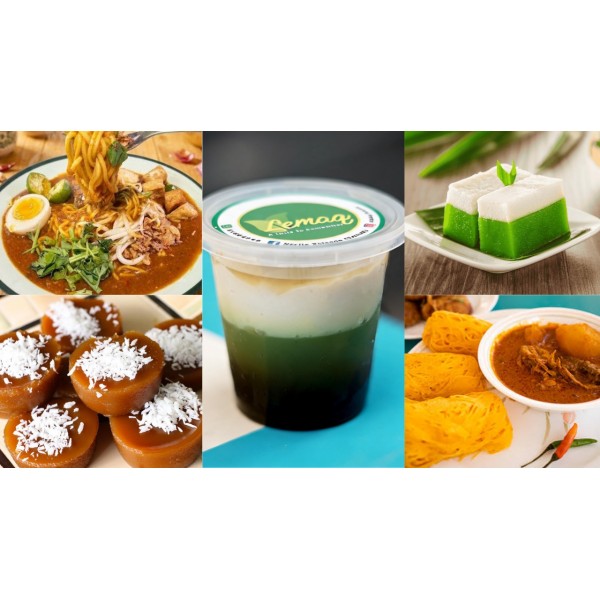

In an era shaped by convenience and ever-changing food trends, traditional dishes faces the challenge of remaining relevant in today's culinary scene. Recipes that was once passed down from one generation to the next is now competing with the faster and more trendy alternative. This raises an important question: can traditional food and desserts continue to survive in the modern era?
Traditional food, however, represents more than something to eat. Each recipes that are passed down carries the flavours, memories and history of the communities that created it. When a dish slowly disappears, we risk losing the cultural story connected to it.
For these dishes to survive, they do not necessarily have to remain completely unchanged. Their presentation, packaging and preparation methods can evolve to suit modern lifestyles. Kuih Jongkong, for example, may be presented in a convenient cup instead of a banana-leaf. Although the presentation is different, its fragrant pandan, creamy coconut milk and rich coconut sugar should remain at the heart of the dessert.
Online platforms can also help traditional dishes to reach new audiences. Delivery applications, websites and social media allow lesser-known dishes to be discovered by younger customers who may be trying them for the first time. The challenge is to make these dishes accessible without removing the qualities that give them their identity.
Traditional food and desserts can survive in the modern era but only if they continue to be prepared, shared and appreciated. By preserving what makes these dishes special while also making some thoughtful changes, we can keep their flavours alive for future generations.
